Last updated: August 2026
This is the most common question we get asked on extension projects. The builder says "flat roof is cheaper," the architect draws a pitched roof, and you're stuck in the middle wondering which one actually makes sense for your house and your budget. Here's the honest comparison from someone who installs both every week.
Cost Comparison
Let's get straight to the numbers. For a typical single-storey rear extension in Kent (around 15–25m²):
Extension Roof Costs (2026, inc. VAT)
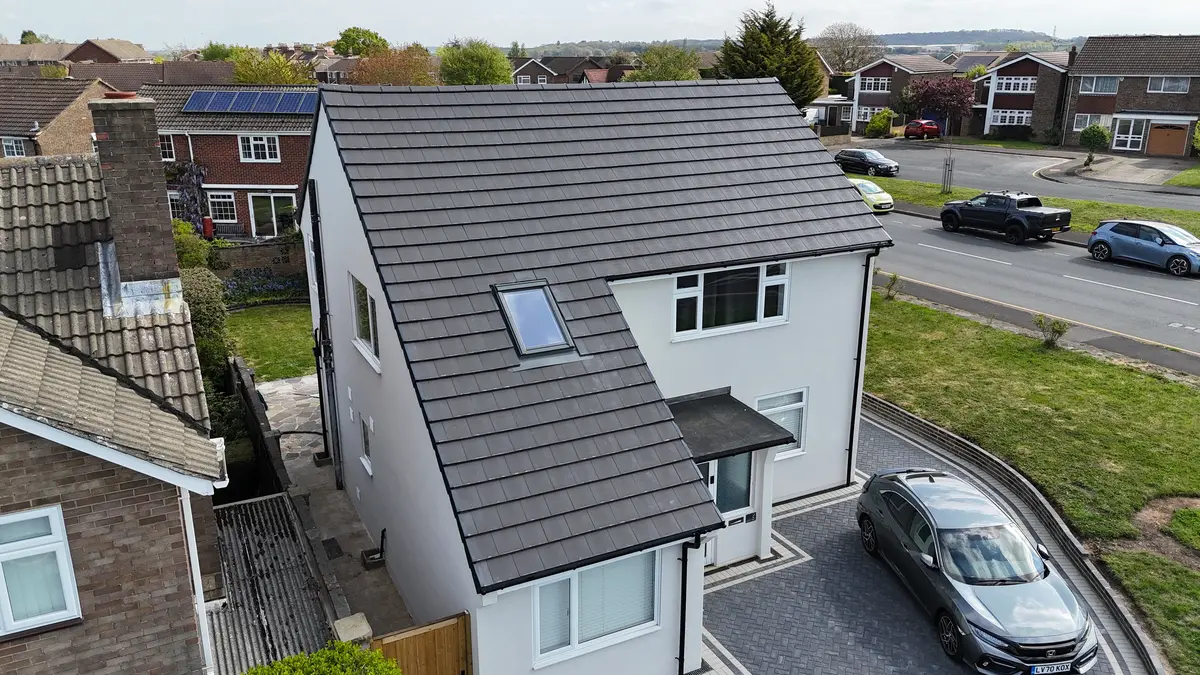
A pitched roof costs roughly double a flat roof for the same footprint. The extra cost comes from the timber structure (rafters, purlins, ridge), the additional height, more complex scaffolding, and the tile or slate covering itself. If budget is the primary driver, flat wins.
Lifespan — How Long Will Each Last?
This is where the conversation shifts. A quality flat roof system installed properly will last 20–30 years depending on the material. A pitched roof with good tiles or slate will last 50–80 years with minimal maintenance.
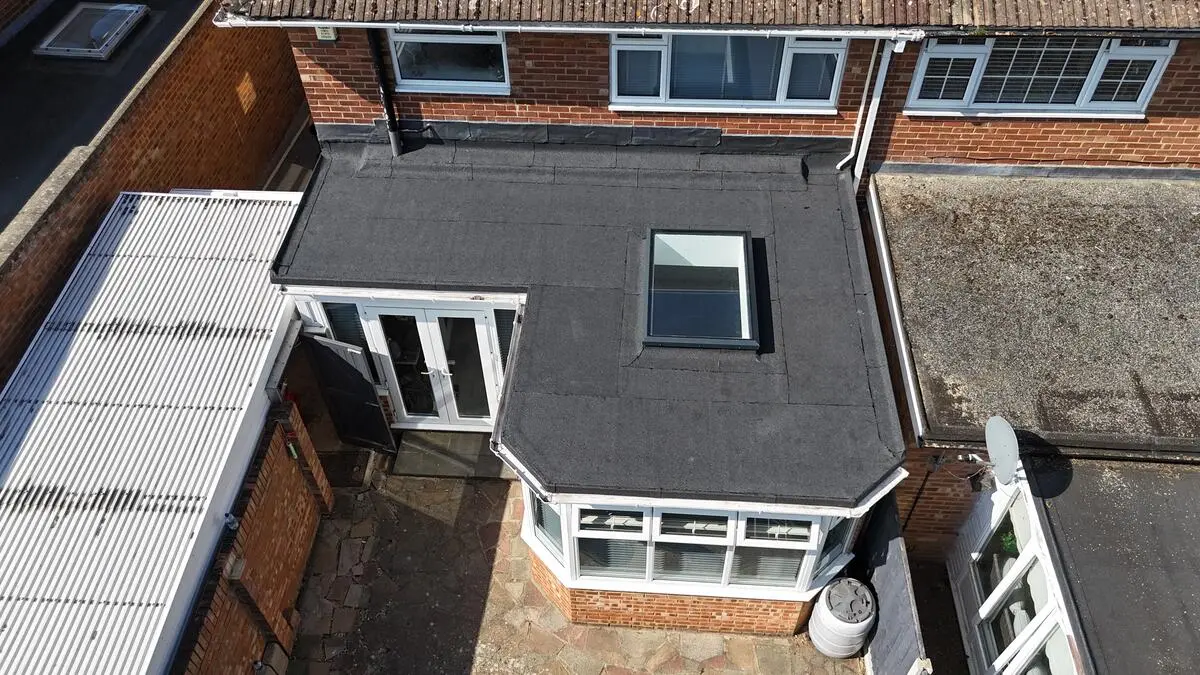
So the flat roof is cheaper upfront but you'll likely need to replace it once during the building's life. The pitched roof costs more now but you'll probably never touch it again. Over 50 years, the lifetime cost is surprisingly similar.
When a Flat Roof Is the Right Choice
When a Pitched Roof Is the Better Option
What About Planning Permission?
Most single-storey rear extensions fall under permitted development and don't need planning permission — but the roof type can affect this. Flat roofs are easier to keep within the height limits (3m for attached, 4m for detached). Pitched roofs add height, which can push you over the limit or trigger overlooking concerns with neighbours.
If you're extending a property in a conservation area in Kent — Rochester, Sevenoaks, or parts of Bromley and Greenwich — you'll almost certainly need planning approval, and a pitched roof matching the existing property is far more likely to get approved.
The Hybrid Option
There's a third approach we install regularly: a flat roof structure with a parapet wall, giving a clean contemporary look, combined with a lantern or large skylight for natural light. This gives you the cost benefits of flat construction with a modern aesthetic that doesn't look like an afterthought. It's particularly popular on Victorian and Edwardian terraces across South East London where a pitched extension would look out of place.
Our Recommendation
There's no universally "better" option — it depends on your house, your budget, your planning constraints, and how long you plan to stay. What we will say is this: whichever you choose, it needs to be installed properly. A cheap flat roof that fails in 8 years costs you more than a quality one that lasts 25. A pitched roof with corners cut on the underlay or leadwork will leak within 5 years regardless of how expensive the tiles were.
Every extension roof we install comes with our IKON Integrity Guarantee — 15 years on workmanship, 15 years on materials, and 10 years of insurance-backed protection. That applies whether it's flat or pitched.
Planning an extension? Book a roof survey or read our full guide to roof costs in Kent.
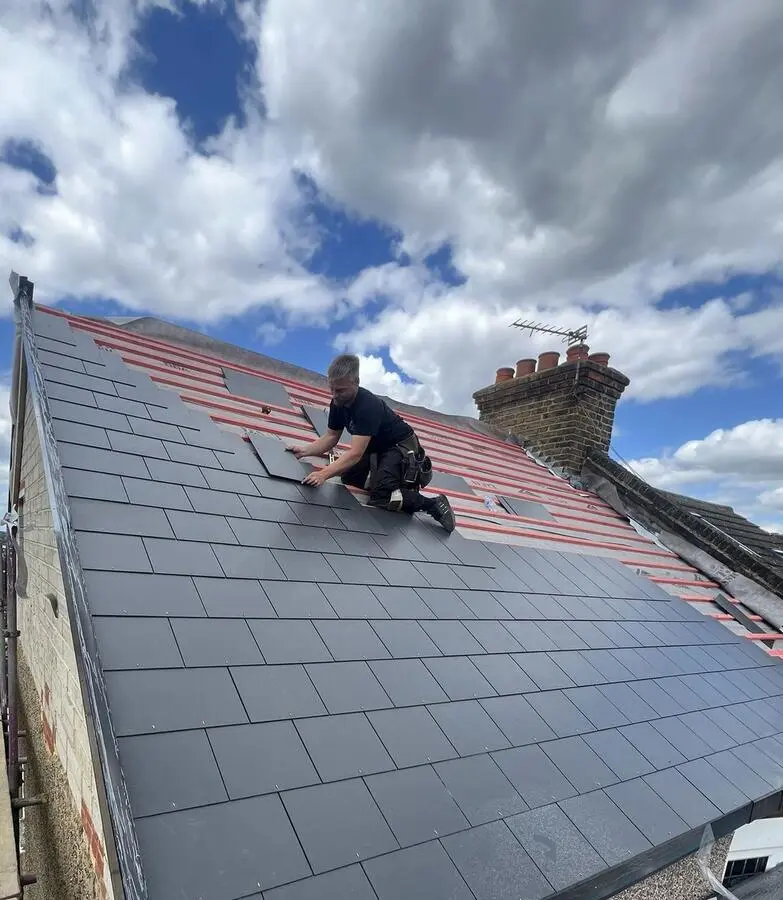
Written by Jordan — Owner, IKON Roofing Ltd
18 years' hands-on roofing experience across Kent and South East London. Every article is based on real jobs, real materials, and real pricing — not guesswork.