Leadwork Specialists
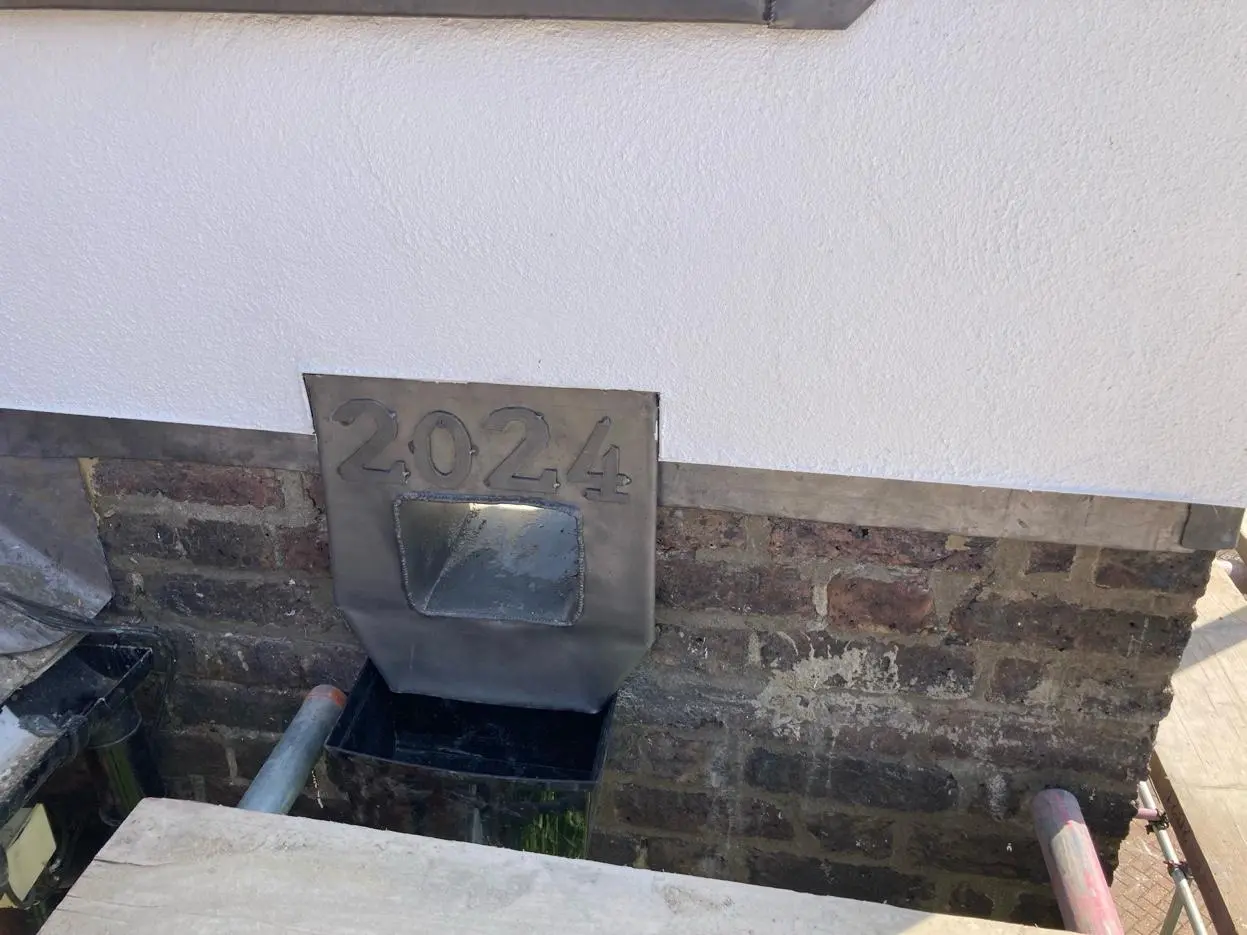
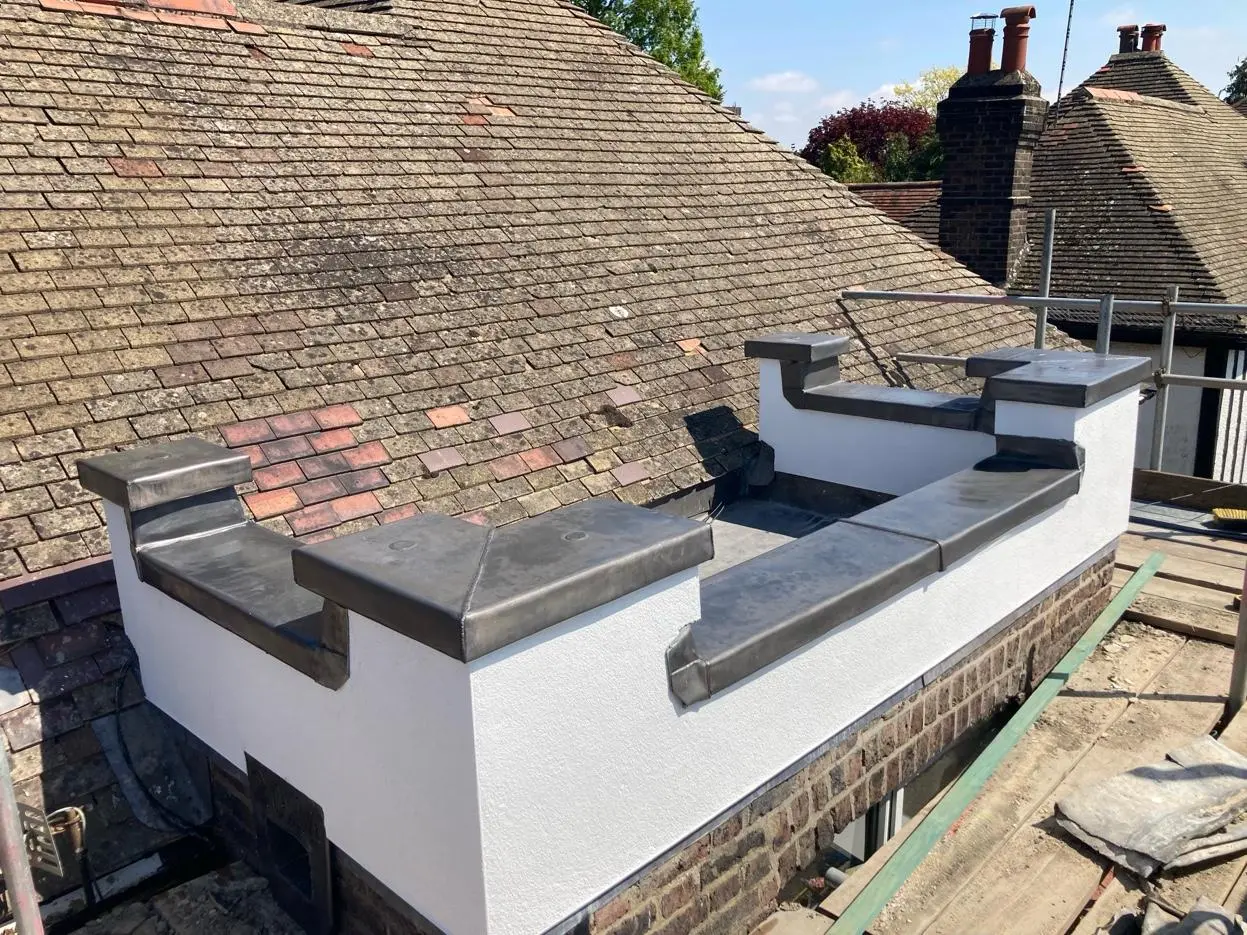
Flashings, valleys, dormers, and flat lead — all installed to Lead Sheet Association standards using correct codes, bay sizes, and patination.
Flashings, valleys, dormers, and flat lead — all installed to Lead Sheet Association standards using correct codes, bay sizes, and patination.
Last updated: August 2026
Lead is one of the most durable roofing materials available when installed correctly. The problem is, most of the lead failures we see on surveys are caused by poor installation — wrong code weight, oversized bays causing thermal fatigue, incorrect dressing, or sealing with silicone instead of lead-compatible compounds.
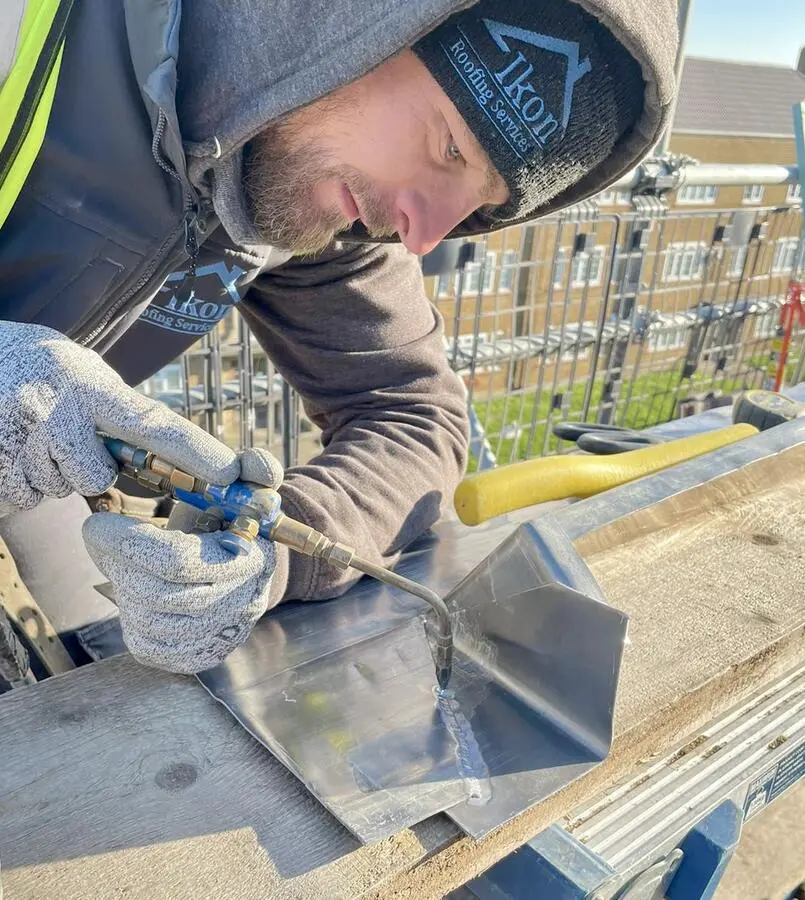
At IKON Roofing, all leadwork follows the Lead Sheet Association (LSA) Manual — the industry bible for rolled lead installation.
Silicone sealant and lead substitute products are the most common bodge we encounter. If a previous roofer has used silicone where lead should be, it's a strong indicator that shortcuts were taken elsewhere — check out our guide on signs your roof needs replacing. For properties needing a complete re-roof, our pitched roofing service includes all associated leadwork as standard.
Silicone doesn't bond properly to lead, breaks down under UV exposure, and allows water ingress behind the lead. We always use lead-compatible polyurethane or polysulphide sealants that maintain a lasting, flexible seal.
Lead expands and contracts significantly with temperature changes. If bays are too large, this repeated thermal cycling causes fatigue cracking. The LSA Manual specifies maximum bay sizes for each code weight, and we follow these precisely on every installation.
Common questions about our leadwork services.
Correctly installed and detailed leadwork has a lifespan of 60–100+ years. The key to longevity is correct bay sizing, proper fixings, adequate thermal movement allowance, and using the right code weight for the application.
Lead code refers to the thickness of the sheet. Code 4 (1.80mm) is used for soakers and small flashings. Code 5 (2.24mm) is the standard for most flashings, valleys, and dormer cheeks. Code 6 (2.65mm) is used for flat areas and parapet cappings. Using the wrong code leads to premature failure.
Silicone sealant is a temporary fix that degrades in UV light within 2–5 years. Lead substitutes lack the thermal expansion tolerance of real lead. Neither solution comes with the long-term performance guarantee that properly installed lead provides.
Every leadwork installation comes with three layers of protection: a 15-year workmanship guarantee, a 15-year manufacturer-backed materials warranty, and a 10-year insurance-backed guarantee (IBG).
Yes. Lead theft is common in our service area. We replace stolen lead to the correct specification and can advise on security solutions to protect against repeat theft.
Yes. We cover the full DA, BR, SE, ME, and TN postcode areas including Sidcup, Orpington, Bromley, Dartford, Medway, Rochester, Welling, Chislehurst, and surrounding towns.
Book a free inspection. Expert advice from someone who's been on roofs for 18+ years.
★ 5.0 from 29 Google Reviews · 15-Year Guarantee · Fully Insured