Last updated: August 2026
The lifespan of a flat roof depends almost entirely on two things: the material system used and how well it was installed. A properly specified and installed flat roof should give you decades of service. A poorly installed one can fail within a few years. Here's what to expect from each system.
Three-Layer Torch-On Felt (Built-Up)
A quality three-layer torch-on system like the Fix-R 20 we install as part of our flat roofing service has an expected service life of 20–25 years when correctly installed to BS 8217. The key factors are: correct minimum fall (1:80 designed, 1:40 preferred), proper lap adhesion (you should see 10–15mm of bitumen squeeze-out at every overlap), and correct upstand detailing (minimum 150mm above finished roof level).
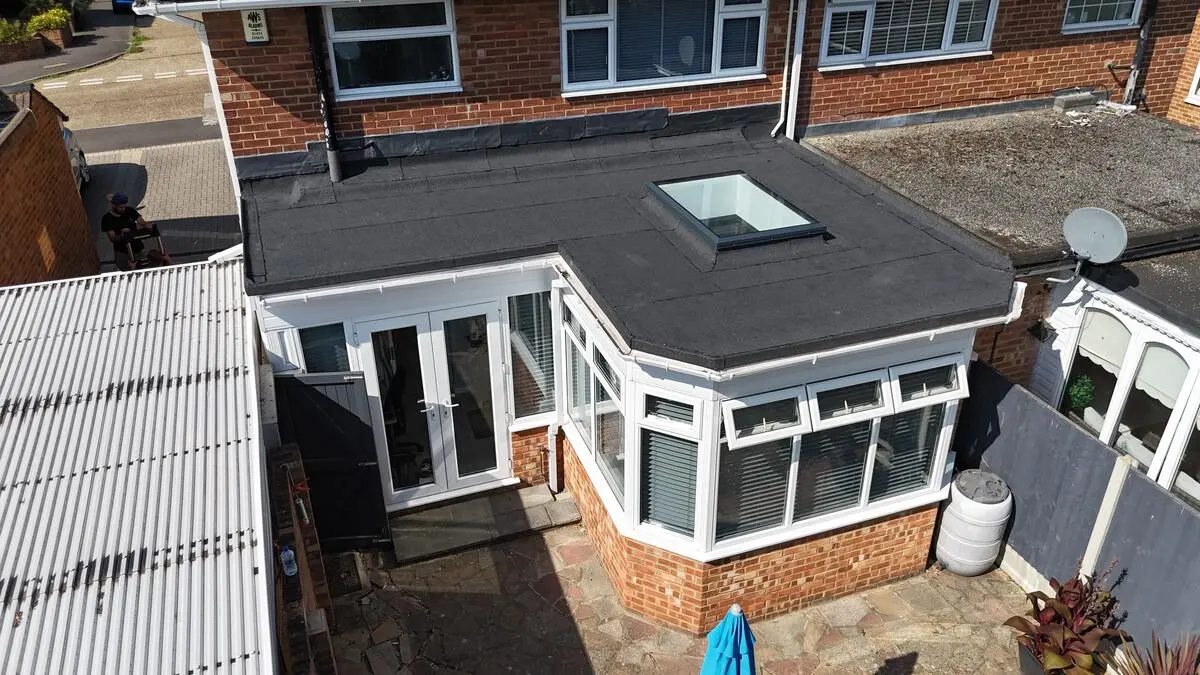
The most common causes of early failure in torch-on systems — and signs your roof needs replacing — are inadequate falls causing ponding, poor lap adhesion leading to water tracking between layers, and upstand details that don't meet the 150mm minimum height required by Building Regulations Approved Document C.
EPDM Rubber Membrane
EPDM (ethylene propylene diene monomer) membranes have an expected lifespan of 25–30 years. They're flexible, UV-resistant, and cope well with thermal movement. The weak point is usually the joints — EPDM seams are bonded with adhesive or tape rather than heat-welded, so the quality of the joint preparation is critical.
GRP Fibreglass
GRP (glass reinforced polyester) systems typically last 25–30 years and sometimes longer. Because GRP is applied as a liquid and cures to a seamless, rigid finish, there are no joints to fail. The main failure mode is cracking due to structural movement — GRP is rigid and doesn't tolerate flex, so the substrate must be completely stable.
TPO/PVC Single Ply
Single ply membranes (TPO and PVC) have expected lifespans of 25–35 years. Seams are hot-air welded, which creates a bond stronger than the membrane itself. These systems are commonly used on larger commercial roofs but are increasingly specified for domestic applications.
Old-Style Single-Layer Felt
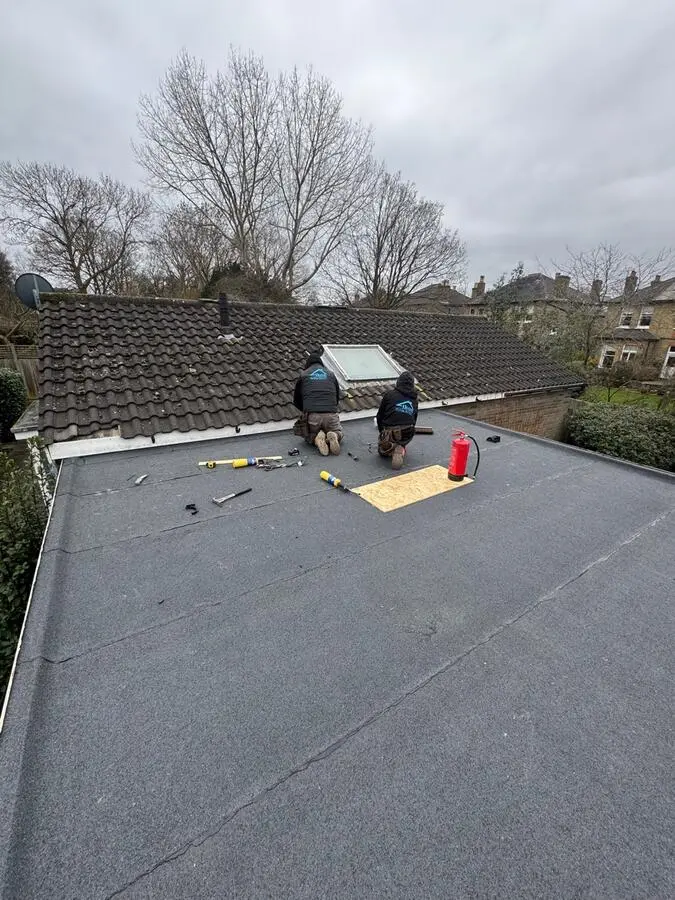
If your flat roof has a single layer of mineral-felt (the kind with visible grey granules), it was probably installed in the 1970s–1990s and has a lifespan of roughly 10–15 years. Most of these roofs are now well past their expected service life. If you've got one, it's not a question of if it will fail, but when.
The Biggest Factor: Installation Quality
Every system above can fail prematurely if installed incorrectly. The most common installation defects we see on survey are: no fall or insufficient fall, leading to ponding water; upstands too low; laps not properly bonded; missing vapour control layer on warm roof constructions causing condensation; and outlets blocked or incorrectly detailed. A flat roof system is only as good as the person who installs it.
Concerned About Your Flat Roof?
If your flat roof is approaching the end of its expected lifespan, or you're seeing signs of failure like ponding, blistering, or cracking, book a free inspection. We'll assess the condition and advise whether a repair, overlay, or full replacement is the right approach. Call 01634 907 024.
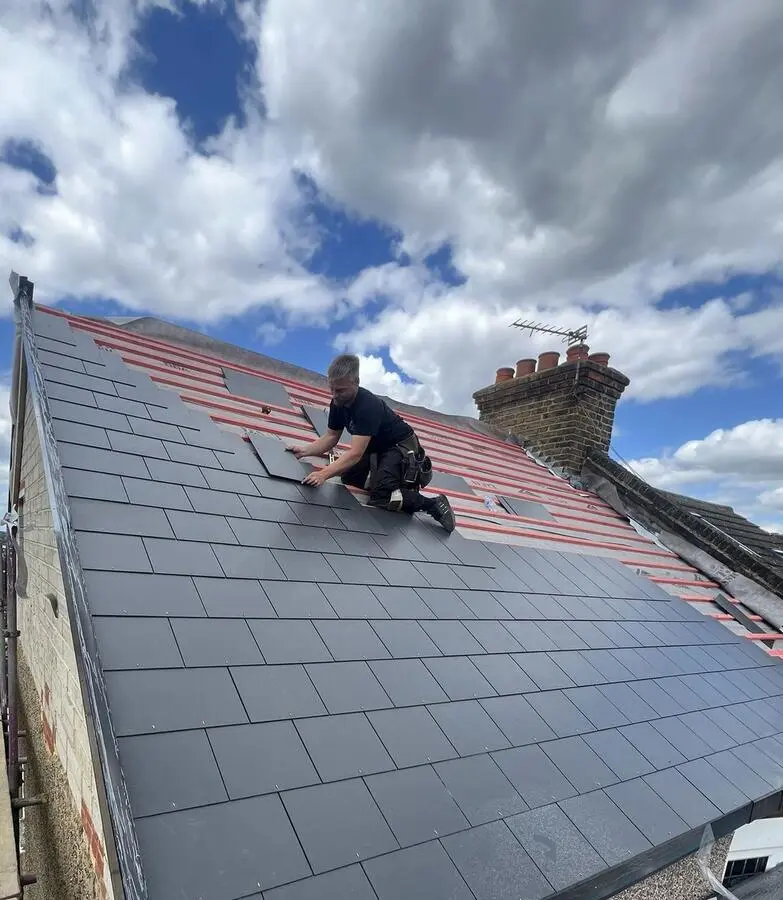
Written by Jordan — Owner, IKON Roofing Ltd
18 years' hands-on roofing experience across Kent and South East London. Every article is based on real jobs, real materials, and real pricing — not guesswork.